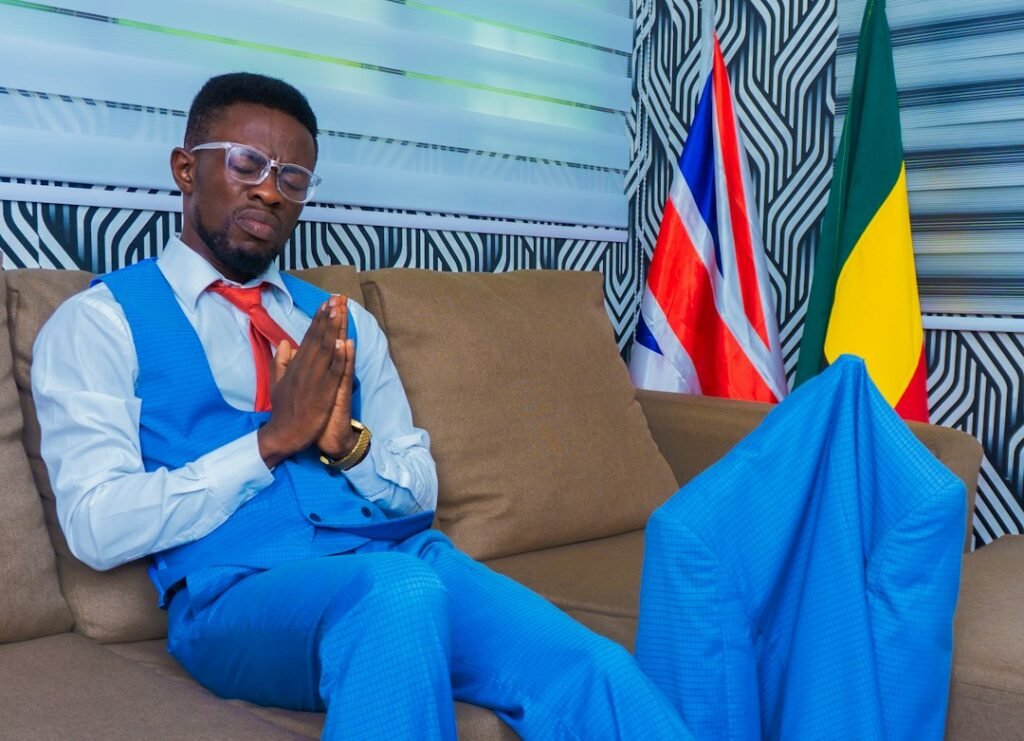
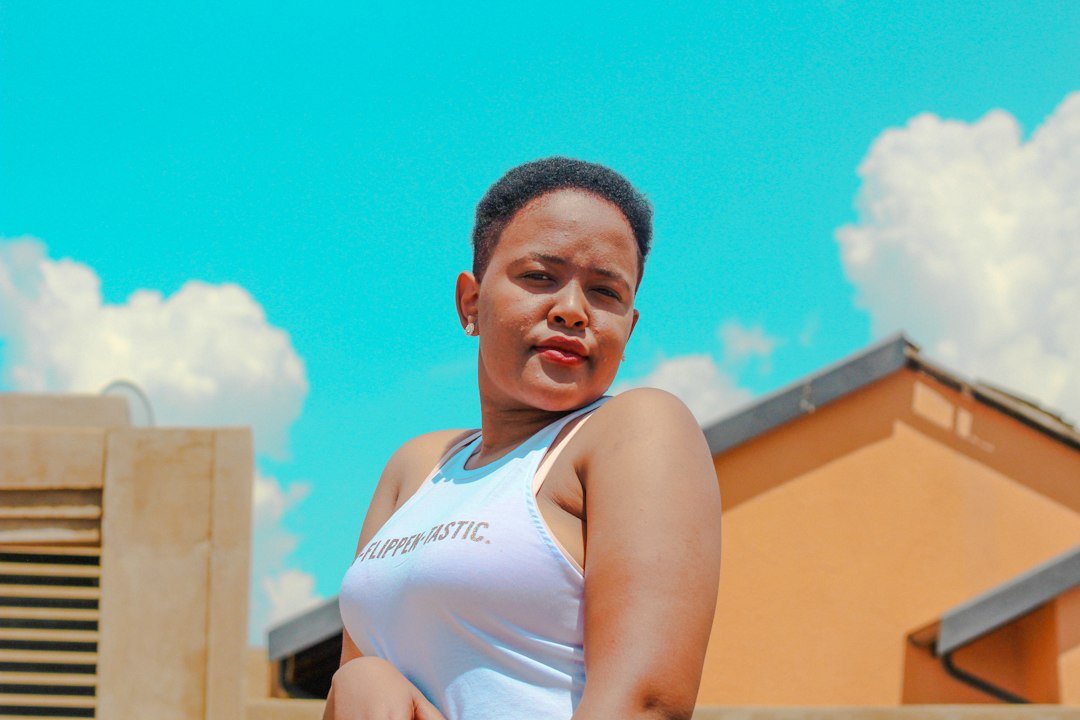
South African artist Naledi Aphiwe built something real on YouTube. Song by song, video by video, she constructed a digital home for her music — a catalogue that represented years of creative labor, fan connection, and cultural contribution. Then, in what amounts to a nightmare scenario that every working musician quietly dreads, it was gone. Her entire music catalogue on YouTube vanished, reported first by Bona Magazine, sending shockwaves through the South African music community and reigniting a conversation that the global independent music industry desperately needs to have: when you build your career on someone else’s platform, who really owns your presence there?
What Happened to Naledi Aphiwe’s YouTube Catalogue?
While full technical details continue to emerge, the core story is devastating in its simplicity. Naledi Aphiwe, a celebrated South African vocalist known for her soulful delivery and deeply resonant Afropop sound, lost access to her YouTube catalogue — effectively erasing her visual and audio presence on one of the world’s most powerful music discovery platforms. Whether this resulted from a Content ID dispute gone wrong, a channel strike that escalated to termination, or an administrative error within YouTube’s increasingly automated moderation systems, the outcome is the same: years of work, wiped from the platform.
I have spoken with independent artists who have described this exact scenario as their single greatest fear, and I do not say that lightly. YouTube is not just a video platform in 2026 — it is a primary revenue stream, a discovery engine, a fan engagement hub, and increasingly a licensing portfolio showcase. For many African artists in particular, YouTube represents the most accessible global stage available, often outperforming streaming platforms like Spotify in terms of raw reach and monetization potential in markets across the continent. Losing that catalogue is not a minor setback. It is a business catastrophe.
The Automated Moderation Problem No One Wants to Talk About
YouTube’s Content ID system, while revolutionary in its intent to protect copyright holders, has become a double-edged sword that frequently cuts deepest against the very artists it should protect. In 2026, YouTube’s AI-driven moderation infrastructure is more powerful than ever — and arguably more opaque. Artists and labels have long complained about erroneous claims filed against original works, particularly when those works incorporate traditional or folkloric musical elements, sample-adjacent production techniques, or regional sounds that algorithmic systems struggle to contextualize accurately.
For African artists like Naledi Aphiwe, this risk is compounded. Music rooted in regional traditions, call-and-response structures, and polyrhythmic arrangements can trigger false positives in systems trained predominantly on Western musical frameworks. When those flags cascade into strikes, and strikes cascade into channel actions, the artist often has no meaningful recourse — at least not within a timeframe that prevents real damage. Google’s appeals process is notoriously slow, support is minimal for independent creators without label infrastructure behind them, and the burden of proof falls squarely on the artist.
The Platform Dependency Trap Is Swallowing Artist Careers
Here is the uncomfortable truth that this industry needs to confront head-on: we have spent the better part of a decade encouraging artists to build on platforms we do not control, and Naledi Aphiwe’s situation is the inevitable consequence of that encouragement without adequate warning. We told artists to post consistently on YouTube, to optimize their thumbnails, to chase the algorithm — and many did exactly that, building audiences of tens of thousands, hundreds of thousands, sometimes millions. What we did not say loudly enough is that every single one of those views, subscribers, and monetized impressions exists on rented land.
Platform dependency is not a new conversation, but in 2026 it has become existential. YouTube, TikTok, Instagram — these are not artist infrastructure. They are distribution channels owned by corporations with their own legal obligations, algorithmic priorities, and tolerance thresholds. When an artist’s entire digital identity lives on one of these platforms without redundancy, they are one automated decision away from losing everything Naledi Aphiwe lost.
What the Independent Artist Community Must Do Right Now
I am going to be direct here, because this moment calls for directness. If you are an independent artist reading this and your music catalogue exists primarily or exclusively on YouTube, you need to act today. Not next week. Today. Here is the practical framework that every artist, manager, and music business advisor should be implementing immediately.
First, back up everything. Every master recording, every video file, every metadata sheet — stored locally on hard drives and in cloud services like Google Drive, Dropbox, or purpose-built solutions like Backblaze. Your YouTube channel is an exhibition space, not a storage vault. Second, register your works. In 2026, tools like DistroKid’s Publishing Administration, Songtrust, and ASCAP or SAMRO for South African artists make music publishing registration more accessible than ever. A registered copyright creates a paper trail that is essential in any dispute scenario. Third, distribute your audio catalogue across multiple streaming platforms simultaneously. TuneCore, DistroKid, CD Baby, and Amuse all offer multi-platform distribution that ensures your music survives any single-platform failure.
Fourth — and this is the one most artists overlook — build owned infrastructure. An artist website with an embedded music player, an email list built through platforms like Mailchimp or ConvertKit, and a direct-to-fan monetization layer through tools like Bandcamp or Patreon means that even if YouTube disappears tomorrow, your audience and your revenue do not disappear with it. This is not optional career advice anymore. It is survival infrastructure.
The Music Industry’s Responsibility to Artists Like Naledi Aphiwe
Naledi Aphiwe’s situation is not just a personal crisis — it is a systemic indictment. The music industry at large, including labels, distributors, managers, music tech companies, and advocates like us at Bannds, has a responsibility to do better by artists navigating these platforms. We cannot continue to celebrate artists who build massive YouTube presences without simultaneously equipping them with the legal and technical literacy to protect those presences.
South Africa’s music industry is one of the most dynamic and globally influential creative ecosystems on the planet right now. Amapiano has reshaped global dance music. Afropop artists are signing international deals. South African producers are being licensed for global campaigns. The infrastructure supporting these artists needs to match the magnitude of their moment — and right now, it does not. Organizations like RISA (Recording Industry of South Africa), SAMRO, and emerging artist advocacy groups need to be providing systematic education about platform risk, copyright registration, and digital catalogue protection. This is not abstract policy discussion. This is Naledi Aphiwe’s livelihood.
Labels and management companies also bear responsibility here. Any deal or management arrangement in 2026 that does not include a clear digital asset protection strategy — covering platform redundancy, content ID monitoring, and dispute resolution protocols — is an incomplete deal. Artists should be asking these questions in the room. Managers should be building these frameworks into their service offerings. Labels should be providing this infrastructure as a baseline expectation of their artist partnerships.
Platform Accountability Must Become a Movement
Beyond individual artist preparation, we need to push for structural change at the platform level. YouTube, as the dominant music video platform globally, must be held to a higher standard of accountability when its automated systems destroy artist livelihoods. In 2026, with the sophistication of generative AI and content moderation technology, there is no legitimate excuse for a system that can erase an artist’s entire catalogue without immediate, human-reviewed appeal options and genuine restoration pathways.
The music industry lobbied successfully for the Music Modernization Act in the United States and has pushed for platform accountability across European digital markets. Similar energy needs to be directed at protecting artists from platform moderation failures — particularly in African, Latin American, and Asian markets where the artist base is rapidly growing but legal and institutional protections remain underdeveloped.
Naledi Aphiwe deserves to have her catalogue restored. She deserves a transparent explanation of what happened and why. She deserves the kind of responsive, human support that any business partner would provide when a catastrophic error occurs. And she deserves to know that the broader music community — from industry veterans to fellow independent artists — is standing behind her and demanding better.
At Bannds, we will continue tracking this story as it develops and advocating for the systemic changes that stories like this demand. Because Naledi Aphiwe’s loss today could be any artist’s loss tomorrow — and that is a reality the music industry can no longer afford to ignore.