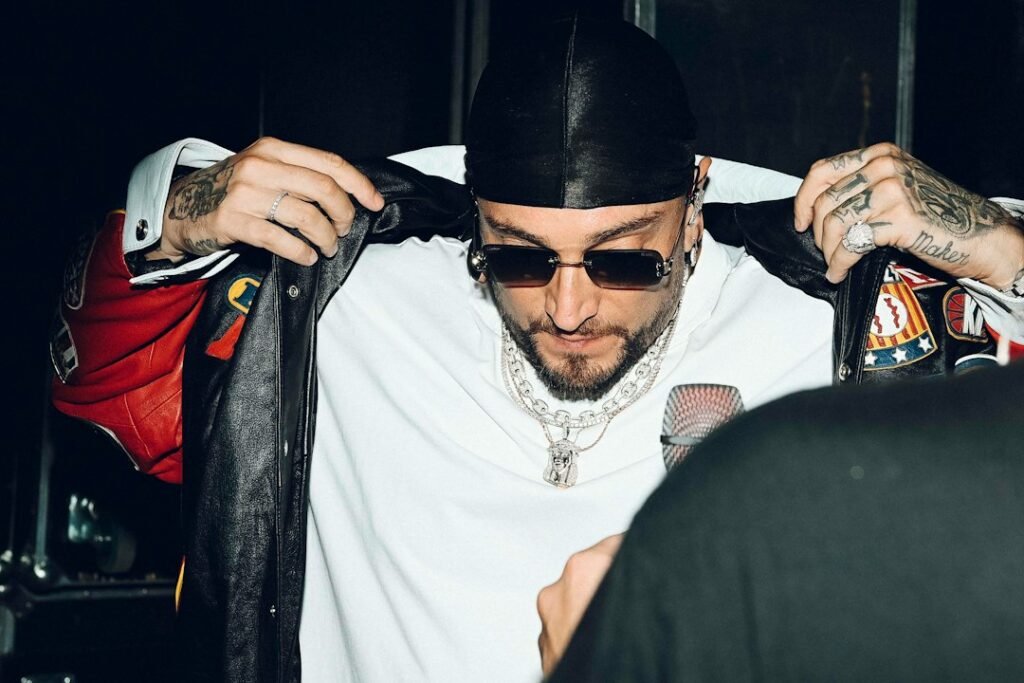
When Nas speaks, the music world listens. The Queensbridge legend, one of the most critically revered MCs in hip-hop history, has never been shy about telling hard truths — and in 2026, he’s doing it again. This time, it’s not just a verse. It’s a battle cry. Nas recently teased new music while simultaneously voicing his deep disgust over the current state of the music industry, declaring with unmistakable urgency: ‘We gotta take a stand as one.’ And honestly? As someone who has spent years watching labels, platforms, and algorithms systematically erode the power of the artist, I couldn’t agree more.
What Nas Actually Said — And Why It Hits Different in 2026
Reported by Billboard, Nas didn’t just vent into a void. He positioned his frustration alongside a deliberate tease of new material, making it clear that his response to a broken system is to create — loudly, defiantly, and on his own terms. That combination of artistic momentum and systemic critique is exactly the kind of leadership the music world needs right now.
To understand why this moment is so significant, you have to understand the landscape artists are navigating in 2026. Streaming royalty rates remain unconscionably low. Spotify’s per-stream payout has barely budged despite the platform reporting record subscriber numbers. Meanwhile, AI-generated music has flooded every major platform, diluting discovery pools and making it exponentially harder for real artists — especially independent ones — to surface organically. The major labels, rather than fighting for their artists, have in many cases been quietly licensing AI tools and pocketing the revenue from synthetic content. The system is rigged, and artists from every genre and career stage are feeling it.
Nas calling it out isn’t just celebrity noise. It’s a veteran with industry credibility, legal infrastructure through Mass Appeal Records, and decades of navigating label politics, finally saying enough. When someone with his leverage points at the machine, it opens a door for artists at every level to walk through.
The Real State of the Music Industry Right Now
Let’s be brutally honest about where we are. In 2026, the music industry is simultaneously more accessible and more exploitative than at any point in history. The democratization of music production — with tools like FL Studio, Ableton, and Splice making professional-quality recording available to anyone with a laptop — has created an unprecedented volume of music. That’s beautiful. But the business infrastructure surrounding that music has not evolved to protect the people making it.
Streaming Royalties Are Still a Scandal
The numbers are damning. The average per-stream payout across major platforms hovers somewhere between $0.003 and $0.005. For an independent artist without a label deal splitting that already-tiny check, reaching a living wage through streaming alone requires tens of millions of plays annually. That’s not a career model — that’s a lottery. Platforms like Tidal have made noise about artist-friendly payouts, and newer entrants like Soundtrack Your Brand and niche licensing platforms have created alternative revenue lanes, but the dominant DSPs — Spotify, Apple Music, Amazon Music — have shown little genuine willingness to restructure their payment models in ways that meaningfully benefit working artists.
The Mechanical Licensing Collective (MLC) continues to sit on hundreds of millions in unmatched royalties. Publishers and songwriters are still fighting for payouts owed to them years after streams occurred. These aren’t edge cases. This is the daily reality of being a music creator in 2026.
AI Music Is Reshaping the Competitive Landscape
Then there’s artificial intelligence. Tools like Suno, Udio, and a growing ecosystem of AI composition platforms have made it possible to generate radio-ready tracks in seconds. Labels and brands have begun using these tools to create content at scale, bypassing the need to pay human composers, session musicians, and producers. The Screen Actors Guild fought AI in Hollywood — the music industry has no equivalent unified force pushing back with the same power. The Artist Rights Alliance has been vocal, and organizations like the Human Artistry Campaign have built coalitions, but legislative progress has been painfully slow. Meanwhile, AI tracks are accumulating streams, collecting royalties, and crowding out human artists in algorithmic playlists.
Why Nas’s Call to Unity Is the Right Message at the Right Time
‘We gotta take a stand as one.’ Four words that sound simple but carry enormous strategic weight. Because here’s the thing — the music industry’s greatest structural weakness when it comes to artist advocacy is fragmentation. Hip-hop artists don’t organize with country artists. Major label acts feel insulated from the struggles of independent musicians. Established veterans assume the system works because it worked for them. Emerging artists are too afraid of burning bridges to speak up. That fragmentation is exactly what allows platforms, labels, and tech companies to continue extracting value from creators without meaningful accountability.
Nas is calling for the kind of solidarity that the music industry has almost never achieved but desperately needs. Think about what unified artist action could actually accomplish: collective bargaining pressure on streaming rates, coordinated refusal to license music to AI training datasets without consent and compensation, organized advocacy for stronger copyright protections at the legislative level. These aren’t fantasies — they’re strategies that have worked in other creative industries when artists have moved together.
I’ve spoken with independent artists running their businesses through platforms like DistroKid, TuneCore, and CD Baby who feel entirely powerless against the macro forces shaping their income. They’re doing everything right — building audiences through Bandcamp, engaging fans on Patreon, licensing sync deals through Musicbed and Artlist — but they’re still operating in a system that fundamentally undervalues their work. What Nas is describing isn’t just about legacy hip-hop artists. It’s about every songwriter in Nashville, every bedroom producer in Atlanta, every band grinding through the DIY circuit in Chicago or Portland.
What Artists Can Do Right Now While the Industry Catches Up
While the macro fight plays out — and it will take time — there are concrete steps artists can take today to protect their revenue, their rights, and their creative autonomy. This isn’t a reason to disengage from the systemic battle Nas is raising; it’s how you survive long enough to keep fighting it.
First, diversify your revenue ruthlessly. Streaming should be the floor, not the ceiling. Direct-to-fan platforms like Bandcamp and Patreon give you ownership of the relationship with your listeners and a significantly larger cut of every dollar spent. Fan subscription models through platforms like Substack for music commentary, or exclusive content drops via artist apps built on tools like Disciple or Mighty Networks, are creating real recurring income for artists willing to invest in community.
Second, own your masters. This cannot be said loudly enough. The conversation Nas has been part of for decades — about artists losing control of their catalogs — is still happening because artists are still signing deals that strip them of ownership. In 2026, with the tools available to self-release, distribute, and promote music independently, there is less justification than ever for surrendering masters to a label in exchange for advances that rarely recoup. If you need capital, explore artist-friendly financing options through companies like Sound Royalties or Beatbread before signing away your catalog.
Third, get educated on AI and your rights. Register your works with the Copyright Office. Opt out of AI training datasets where platforms provide that option. Stay engaged with organizations like the Artist Rights Alliance and the Recording Academy’s advocacy arm. Your voice in these conversations — especially through direct contact with legislators — matters more than you might think.
Fourth, build coalitions locally and globally. Nas is right: unity is the move. Connect with other artists in your market, your genre, your generation. Share knowledge about sync licensing, royalty collection, and contract negotiation. The more artists understand how the business works, the harder it becomes for the industry to exploit their ignorance.
New Music From Nas in 2026: What It Means for the Culture
Beyond the advocacy, there’s the music. And the fact that Nas is preparing to release new material alongside this public stance is not incidental — it’s intentional. New music is power. It’s relevance. It’s Nas reminding the industry that the artists it has taken for granted still have the most important thing of all: something meaningful to say and an audience ready to receive it.
Throughout his career, from Illmatic to King’s Disease to his Grammy-winning work with Hit-Boy, Nas has used his art as a form of testimony. New music in this moment, arriving alongside a call for industry reform, suggests an artist who understands that the best way to challenge a system is to thrive within it while demanding it change. That’s not contradiction — that’s strategy.
For the independent artists reading this, for the bands hustle-booking their own tours, for the producers licensing their first sync deal, for the songwriters who’ve watched streaming steal their lunch — Nas’s message is your message too. The industry is not working for you. It was not designed to work for you. But it can be changed, and change requires the thing Nas is asking for most directly: collective will.
We gotta take a stand as one. He’s right. The only question is whether the rest of us are ready to stand with him.