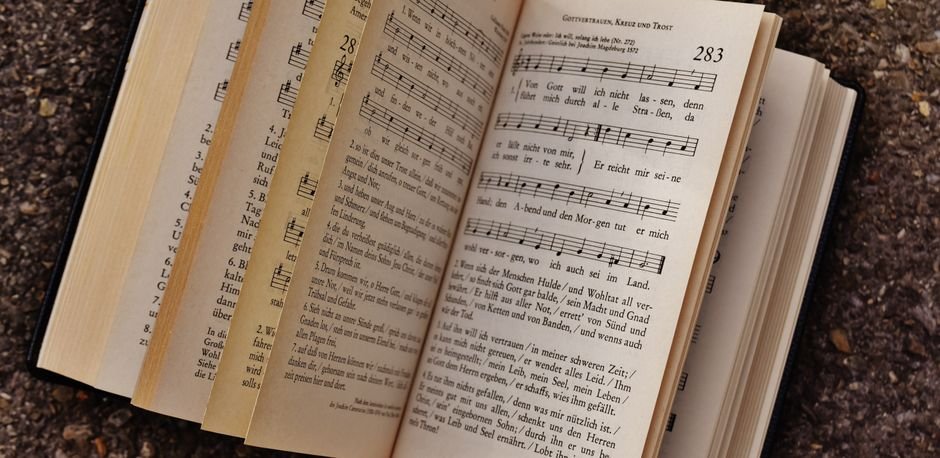
When Musixmatch CEO Massimo Guerrini told Music Business Worldwide that lyrics are becoming the LLM of the music industry, I nearly knocked my coffee off the desk. Not because it was shocking — but because it was the most honest, clarifying thing anyone in a position of power has said about where this business is actually heading. In 2026, as artificial intelligence reshapes every corner of creative commerce, lyrics have quietly transformed from a fan-facing feature into the foundational training data that powers the next generation of music technology. And most independent artists have absolutely no idea what that means for their money, their rights, or their future.
What Musixmatch Actually Means by ‘The LLM of Music’
Let’s break this down for anyone who isn’t deep in the AI weeds. A large language model — LLM — is the engine behind tools like ChatGPT, Claude, and Gemini. These systems are trained on massive datasets of human-generated text to understand language, context, sentiment, and meaning. The reason they work so well is because the underlying data — the text — is rich, structured, and deeply human. Musixmatch is arguing that lyrics occupy that exact same structural role for music AI.
Think about it. When a streaming platform wants to build a mood-based recommendation engine, lyrics tell you far more about emotional content than a waveform analysis alone ever could. When a generative AI company wants to teach a model what a ‘heartbreak song in the style of late-90s R&B’ sounds like, it needs lyrical data to contextualize that request. When a brand wants to align a playlist with its campaign messaging, lyrics are the semantic bridge between music and meaning. Musixmatch, which claims to hold the world’s largest licensed lyrics database with over 100 million songs, is sitting on what may be the most strategically valuable dataset in the entire music ecosystem right now.
And here’s the part that keeps me up at night: most of the artists who wrote those lyrics have no direct stake in how that data is being monetized.
The Data Gold Rush Nobody Warned Independent Artists About
We’ve been so focused on the streaming royalty conversation — fractions of a cent per play, the Spotify per-stream rate debates, the ongoing fight for fair compensation on platforms like Apple Music and Tidal — that we missed an entirely different extraction happening in parallel. Lyrics data has been quietly licensed, scraped, and ingested into AI training pipelines for years. Genius famously caught Google scraping its lyrics back in 2019. That was a preview of an industrial-scale phenomenon that has only accelerated since.
In 2026, the AI licensing market for music-related data is no longer a theoretical concern. Companies building music generation tools — think Suno, Udio, and a dozen stealth-mode startups — need lyrical corpora to train models that can write in genre-specific styles, understand rhyme schemes, and replicate the structural logic of songwriting. Musixmatch has built a licensing infrastructure to serve this market, and to their credit, they’ve been more transparent about it than most data brokers in this space. But the fundamental question remains: when Musixmatch licenses lyrics data to an AI company, who gets paid? Typically, it’s the publisher and the major label. The independent songwriter who actually put pen to paper? Often, they’re invisible in that transaction.
The Publishing Rights Maze
Here’s where it gets technically complicated and practically infuriating. Lyrics rights sit with music publishers — or with the songwriter directly if they’ve retained their publishing. If you’re an independent artist who released music through DistroKid, TuneCore, or CD Baby without separately registering your publishing through a PRO like ASCAP, BMI, or SESAC, and without affiliating with a publishing administrator like Songtrust or Sentric, there’s a meaningful chance you have no mechanism to collect on any AI licensing deals that include your lyrics. The money exists. It just isn’t flowing to you.
The most actionable thing any independent artist can do right now — today — is audit their publishing setup. Get your lyrics registered. Work with a publishing admin that is actively negotiating AI licensing terms. This is not optional anymore. This is table stakes for operating as a professional artist in 2026.
Why This Is Actually a Massive Opportunity, Not Just a Threat
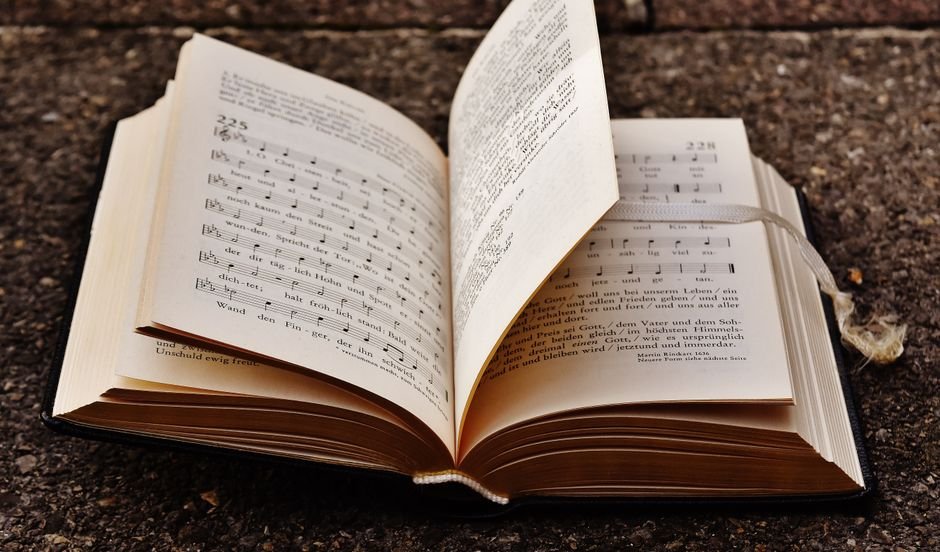
I want to be careful not to frame this entirely as an extraction story, because Musixmatch’s framing also contains a genuinely exciting possibility. If lyrics are the LLM of music — if they are the foundational, semantically rich data layer that makes music AI work — then songwriters are, in a very real sense, the original architects of that intelligence. That is power. That is leverage. And the music industry has a history of squandering leverage, but we don’t have to repeat that mistake here.
Consider what happened when the major labels negotiated equity stakes with Spotify before its IPO. They took their seat at the table early, secured upside, and walked away with hundreds of millions of dollars that independent artists never saw. The LLM moment for lyrics is a similar inflection point. If songwriters — through their publishers, their collecting societies, or new artist-owned data cooperatives — can negotiate meaningful revenue shares from AI companies that license lyrical training data, the income potential is genuinely significant.
Bandcamp, which has been leaning harder into artist ownership tools in 2026, and platforms like Amuse, which have been vocal about artist equity, represent the kind of infrastructure thinking we need extended into the data licensing conversation. What would a songwriter data cooperative look like? What if independent artists could pool their lyrical catalogs and negotiate collectively with AI licensees the way musicians union members negotiate session rates? These aren’t fantasy scenarios. They are logical next steps that require organizing, not just outrage.
Fan Engagement Is Being Transformed by Lyric Intelligence Too
Beyond the monetization angle, the LLM framing has profound implications for how fans connect with music — and how smart artists can use that to their advantage. Lyrics-powered AI is already enabling hyper-personalized fan experiences. Think about what it means when a platform can identify that a specific listener gravitates toward songs with themes of resilience and self-reinvention, cross-referenced with tempo and key data, and then surface not just similar tracks but similar artists, merchandise, and live experiences. That is the future of recommendation, and lyrics are the semantic engine driving it.
Artists who take control of their lyrical metadata — who make sure their lyrics are accurately represented in Musixmatch, Genius, and LyricFind, who annotate their work with context and meaning — are feeding the systems that will determine their discoverability. This is not just SEO for Google anymore. It is training data curation for the AI-powered discovery platforms that will define who breaks through in the next decade. I’ve spoken with A&R consultants at mid-sized independents who are already advising their rosters to treat lyrics metadata as a core part of their release strategy, not an afterthought.
What the Music Industry Needs to Do Right Now
Musixmatch deserves credit for naming this moment clearly. But naming it is not the same as solving it. The music industry — and by that I mean collecting societies, independent artist organizations like the Featured Artists Coalition and the Artist Rights Alliance, publishing administrators, and the artists themselves — needs to move with urgency on several fronts simultaneously.
First, transparency. Any company licensing lyrics for AI training should be required to disclose the scope of those licenses, the compensation structure, and the specific uses. The current opacity benefits no one except the companies doing the licensing. Second, new royalty frameworks. The existing mechanical and performance royalty infrastructure was not designed for AI training data licensing. We need purpose-built revenue streams that flow directly to songwriters when their lyrics train a commercial AI product. Third, artist education. The gap between what’s happening in boardrooms and what independent artists understand about their data rights is enormous and dangerous. Publications like Bannds exist precisely to close that gap, and this is a moment that demands sustained, practical coverage.
Finally — and I say this as someone who has watched too many ‘revolutionary moments’ in the music business dissolve into the same old power dynamics — artists need to organize. The leverage is real. The data is yours. The question is whether the music community will act collectively enough and quickly enough to claim its share of the intelligence economy it helped create, one song at a time.
Lyrics built the emotional architecture of human culture for centuries. In 2026, they are also building the architecture of artificial intelligence. That is not a coincidence. That is a calling card. Every songwriter alive should be cashing it in.