
If you’ve been paying close attention to the global music industry in 2026 — and if you’re reading Bannds, you absolutely should be — then the name Crystalcity Entertainment has probably already crossed your radar. What this Lagos-rooted entertainment powerhouse is doing to formalize and deepen Nigeria-UK music industry connections isn’t just a feel-good bilateral story. It is a seismic, structural shift in how African artists access international markets, how UK promoters and labels tap into the world’s most creatively explosive music ecosystem, and how the entire business of independent music is evolving across two continents. I’ve spent years covering the business side of music, and I’ll be direct: this is one of the most consequential cross-continental industry initiatives I’ve seen in a long time.
The Context: Why Nigeria and the UK Are Each Other’s Most Important Music Partners
To understand why Crystalcity Entertainment’s moves matter so profoundly, you need to understand the specific gravitational pull between Nigeria and the United Kingdom in the music business. The UK is home to the largest Nigerian diaspora community in Europe, with over half a million people of Nigerian heritage living predominantly in London, Manchester, and Birmingham. These communities are not passive music consumers — they are tastemakers, promoters, playlist curators, grassroots marketers, and increasingly, label owners and A&R professionals.
On the streaming side, the numbers are undeniable. Afrobeats — born and continually nourished in Lagos, Abuja, and Port Harcourt — has seen its Spotify streams grow by over 400% in the last five years globally, with the UK consistently ranking as one of the top three markets outside Africa for Nigerian artists. Platforms like Apple Music, Audiomack, and Boomplay have all reported that UK listeners form a critical bridge audience, introducing Afrobeats and Afropop to broader European and American markets. When a Burna Boy or Asake drops a single, the UK charts response is an early indicator of global trajectory. That’s not coincidence — it’s the result of deep cultural infrastructure that companies like Crystalcity Entertainment are now formalizing into actual business architecture.
The UK music industry, for its part, has been hungry for authentic entry points into Nigerian talent pipelines. The days of gatekeeping African artists through Western-run labels with extractive deal structures are increasingly numbered. What UK promoters, booking agents, and independent distributors want now are trusted partners on the ground in Lagos who understand both the art and the commerce. That’s precisely the vacuum Crystalcity Entertainment is stepping into.
What Crystalcity Entertainment Is Actually Building
Crystalcity Entertainment’s deepening of Nigeria-UK music industry connections isn’t a vague diplomatic gesture — it’s a structured, multi-layered business initiative. At its core, the company is functioning as a bilateral music infrastructure firm, creating channels for artist development, licensing, live event co-production, and direct-to-fan monetization that work seamlessly across both markets.
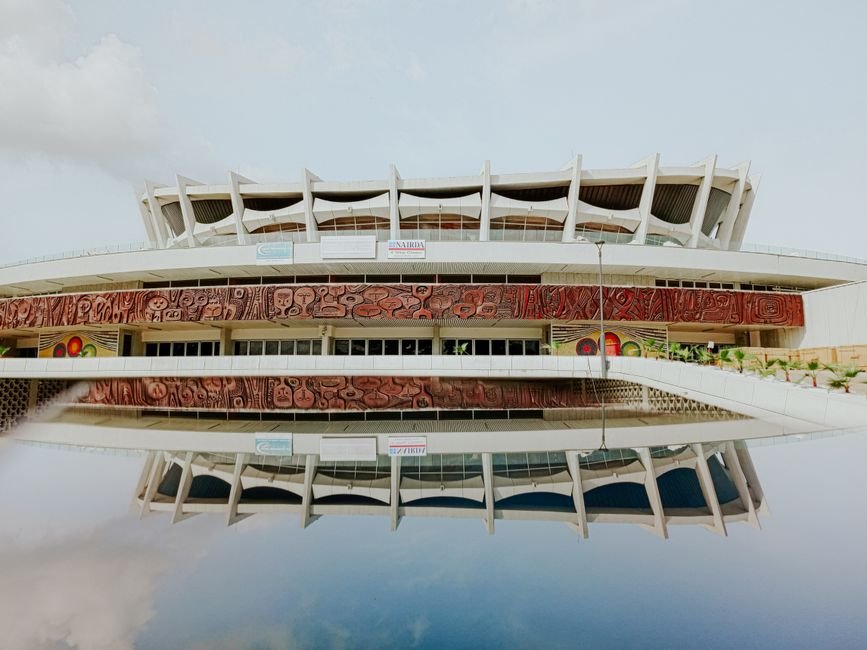
Photo by Paul Uchechukwu 🇳🇬 on Pexels
From what’s been reported, Crystalcity is facilitating artist showcases in the UK that connect emerging Nigerian acts with British promoters, sync licensing agencies, and playlist editors. Simultaneously, the company is bringing UK industry professionals — think independent label executives, music lawyers, and brand partnership consultants — into Lagos for immersive industry exchanges. This bidirectional flow of talent and knowledge is exactly what sustainable market-building looks like. It’s not extractive. It’s collaborative.
Critically, Crystalcity appears to be working with the full spectrum of the artist ecosystem — not just established names who already have UK label deals or massive Spotify followings. There’s a clear emphasis on emerging and independent artists who have the talent and cultural relevance but lack the international industry relationships to translate that into meaningful revenue. For an independent artist in Lagos with 50,000 monthly Spotify listeners and a fiercely loyal local fanbase, having a legitimate pathway to UK touring, UK sync deals, and UK playlist placement can be the difference between a regional career and a global one.
The Role of Digital Distribution and Streaming Strategy
One dimension of Crystalcity’s work that deserves particular attention is how it intersects with the current streaming landscape. In 2026, digital distribution is no longer the barrier it once was — DistroKid, TuneCore, Amuse, and African-focused platforms like Boomplay and Audiomack have made global distribution accessible to any independent artist with a laptop and a finished track. But distribution is just the first mile. The last mile — getting those tracks in front of the right listeners, on the right playlists, at the right moment — still requires industry relationships that most independent artists simply don’t have.
What Crystalcity brings to the table is the connective tissue between distribution infrastructure and actual market access. By maintaining active relationships with playlist curators on both Spotify and Apple Music in the UK, and by understanding how Afrobeats tracks are programmed into editorial playlists like Spotify’s Afro Party or Apple Music’s African Heat, the company can help Nigerian artists not just release music into the UK market but actually land meaningfully within it. That’s a sophisticated, pipeline-level understanding of how streaming monetization actually works in practice — and it’s something most independent artists desperately need.
Live Events and Fan Engagement as Revenue Pillars
Beyond streaming, Crystalcity’s Nigeria-UK bridge has serious implications for live music revenue, which remains the most reliable income stream for independent artists in both markets. The UK live music economy is robust — London alone hosts hundreds of African music events annually, ranging from intimate club nights in Peckham and Brixton to major festival stages at events like Africa Oyé in Liverpool or the Afrobeats Festival in London. For Nigerian artists, cracking the UK live circuit means access to audiences willing to pay premium ticket prices, merchandise revenue, and the kind of cross-cultural brand exposure that attracts sponsorship deals.
Crystalcity’s role as a co-producer and facilitator in this space means Nigerian artists get warm introductions to UK venues and promoters rather than cold-pitching from scratch — a process that can take years and often fails due to lack of trust or cultural context. For UK promoters, having a Lagos-based partner with genuine industry credibility means they can book emerging Nigerian acts with confidence, knowing the logistics, the artist management, and the cultural positioning have been vetted. That trust infrastructure is worth more than any app or platform can provide.
What This Means for Independent Artists on Both Sides of the Equation
Let me speak plainly to the independent artists reading this — whether you’re in Yaba, Hackney, or anywhere in between. The Crystalcity Entertainment initiative represents a model that, if it succeeds and scales, could fundamentally change how you think about international market entry. For too long, the default path for a Nigerian artist wanting UK success involved signing away significant rights to a UK major label sub-deal or hiring an expensive London-based manager who didn’t really understand the Lagos scene. For a UK-based Afrobeats producer wanting to work with Nigerian vocalists, the path was equally murky — informal WhatsApp chains, Instagram DMs, and deals that often fell apart due to lack of proper contracts or rights management infrastructure.
What companies like Crystalcity are building — when they do it right — is a formal alternative to that chaos. A world where an independent artist from Lagos can access UK sync licensing through a structured deal, retain their masters, get properly paid through transparent royalty splits, and build a UK fanbase through curated showcase events, without having to sacrifice the independence that makes their artistry authentic in the first place. Tools like Songtrust for global royalty collection, Bandsintown for cross-market tour marketing, and platforms like FEAT.fm for playlist pitching all become significantly more powerful when paired with on-the-ground industry relationships of the kind Crystalcity is cultivating.
For UK-based independent artists and producers in the Afrobeats and Afropop space — many of whom already have one foot in the Lagos creative world — this kind of initiative offers something equally valuable: legitimacy, structure, and direct access to the source. When UK artists collaborate with Nigerian counterparts through properly facilitated channels, the music that comes out is better, the deals are fairer, and the cultural storytelling is more authentic. That authenticity, increasingly, is what streaming algorithms and editorial teams are rewarding.
The Bigger Picture: Africa as the Next Great Music Industry Frontier
Crystalcity Entertainment’s Nigeria-UK work doesn’t exist in isolation. It’s part of a broader, accelerating global recognition that Africa — and Nigeria specifically — is not a peripheral market to be eventually tapped. It is a primary creative engine of 21st-century popular music. In 2026, Afrobeats is as central to global pop culture as hip-hop was in the late 1990s. The question isn’t whether Nigerian music will shape global pop — it already does. The question is who will build the infrastructure to ensure that Nigerian artists and Nigerian-owned companies capture the majority of the economic value that music generates.
That’s the stakes of what Crystalcity Entertainment is doing. Every Nigeria-UK pipeline they build, every showcase they produce, every licensing deal they facilitate, and every artist they help navigate the gap between Lagos and London is a brick in a structure that could — if built with integrity and artist-first values — ensure that the next generation of global Afrobeats superstars emerges on their own terms, through their own industry infrastructure, and retains the creative and financial sovereignty their talent deserves.
From where I sit, watching the music industry evolve in real time, that’s not just a good story. That’s the most important work happening in the business of music right now. Crystalcity Entertainment has my full attention — and if you care about the future of independent music, global artist equity, and what a truly connected music industry can look like, it should have yours too.